Blog
23 Jun 2026
Protective equipment for female bodies: the right fit and the right protection for women
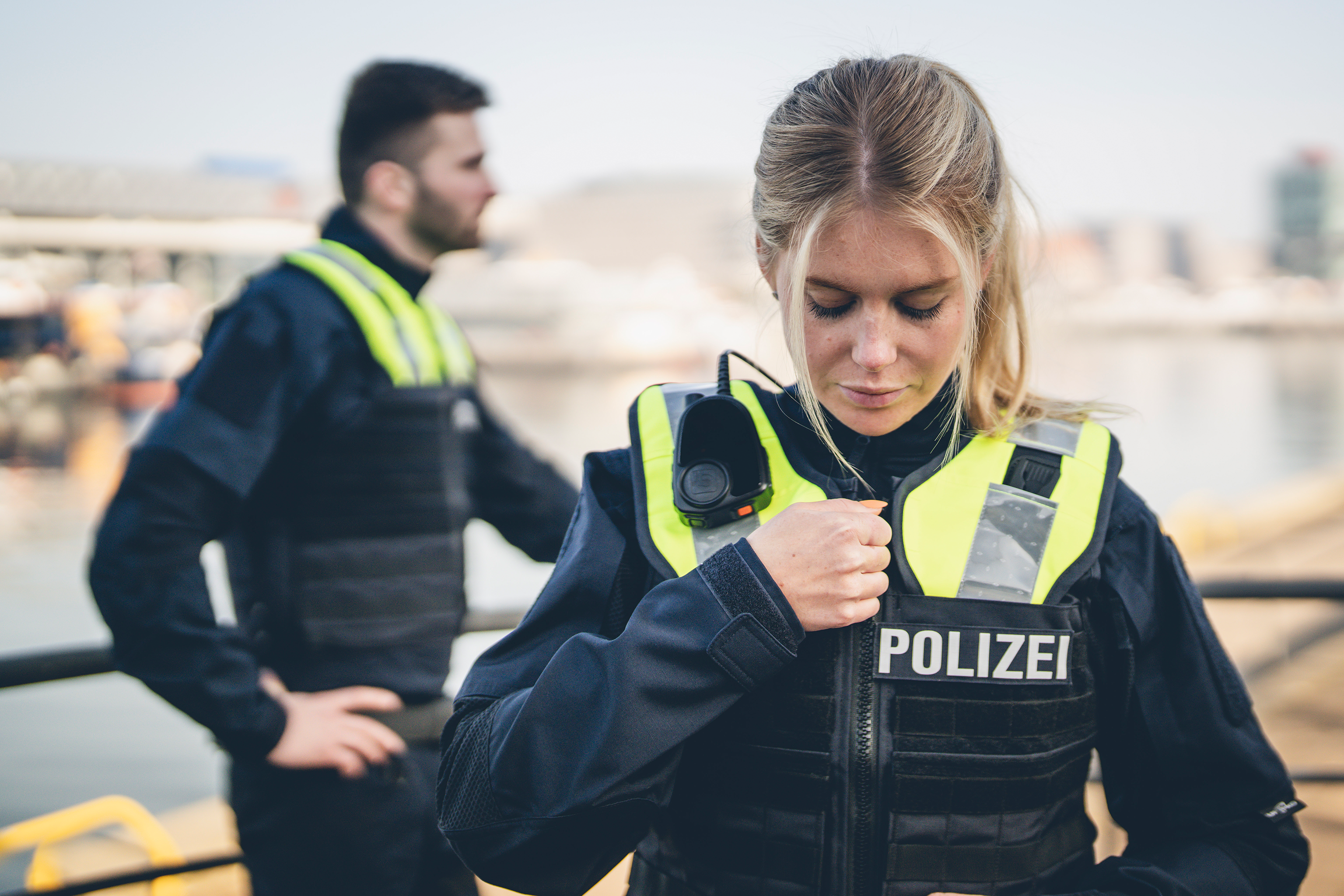
Female police officers perform the same or similar duties as their male counterparts when on patrol, on standby or as part of a special unit. For decades, however, ballistic protection was designed exclusively around male body proportions.
Female law enforcement officers were left to contend with protective vests that protruded at the chest, shifted upwards when seated, were highly uncomfortable to wear and sometimes even left vulnerable areas exposed when it mattered most.
Today, as the number of women in law enforcement grows, one issue is coming into sharper focus: ballistic protection designed specifically for the female anatomy. Such solutions include soft ballistic inserts with anatomically adapted shaping and hard ballistic plates designed to follow the body’s contours rather than simply sit across them – for optimum protection.
This blog explores why the fit of protective equipment is critical to wearer safety, which technical solutions are currently available on the market and what both buyers and wearers should bear in mind when selecting and testing such equipment.
Why unisex protective vests put female law enforcement at risk
Anatomy and the protected area
When it comes to protective vests, unisex designs and different sizes of the same model fall short of the mark. On average, female body shapes differ markedly from those of men, particularly in the chest, waist and hip areas. In real terms, flat, straight-cut ballistic inserts often lead to the following issues for female wearers:
- Gaps around the chest area: the vest does not sit flush against the body, potentially creating openings through which projectiles may pass.
- Reduced lower-body coverage: the vest may expose vital organs if it rides up when the wearer is seated, e.g. in a patrol car or response vehicle.
- Side gaps: a poor fit can leave gaps around the underarms and under the bust – precisely where major blood vessels and vital organs are located.
Maintaining close, consistent contact between the protective material and the body becomes critical when facing ballistic threats. In a real-world situation, even a single gap in coverage can mean the difference between a serious injury and a survivable hit.
Comfort as a safety factor
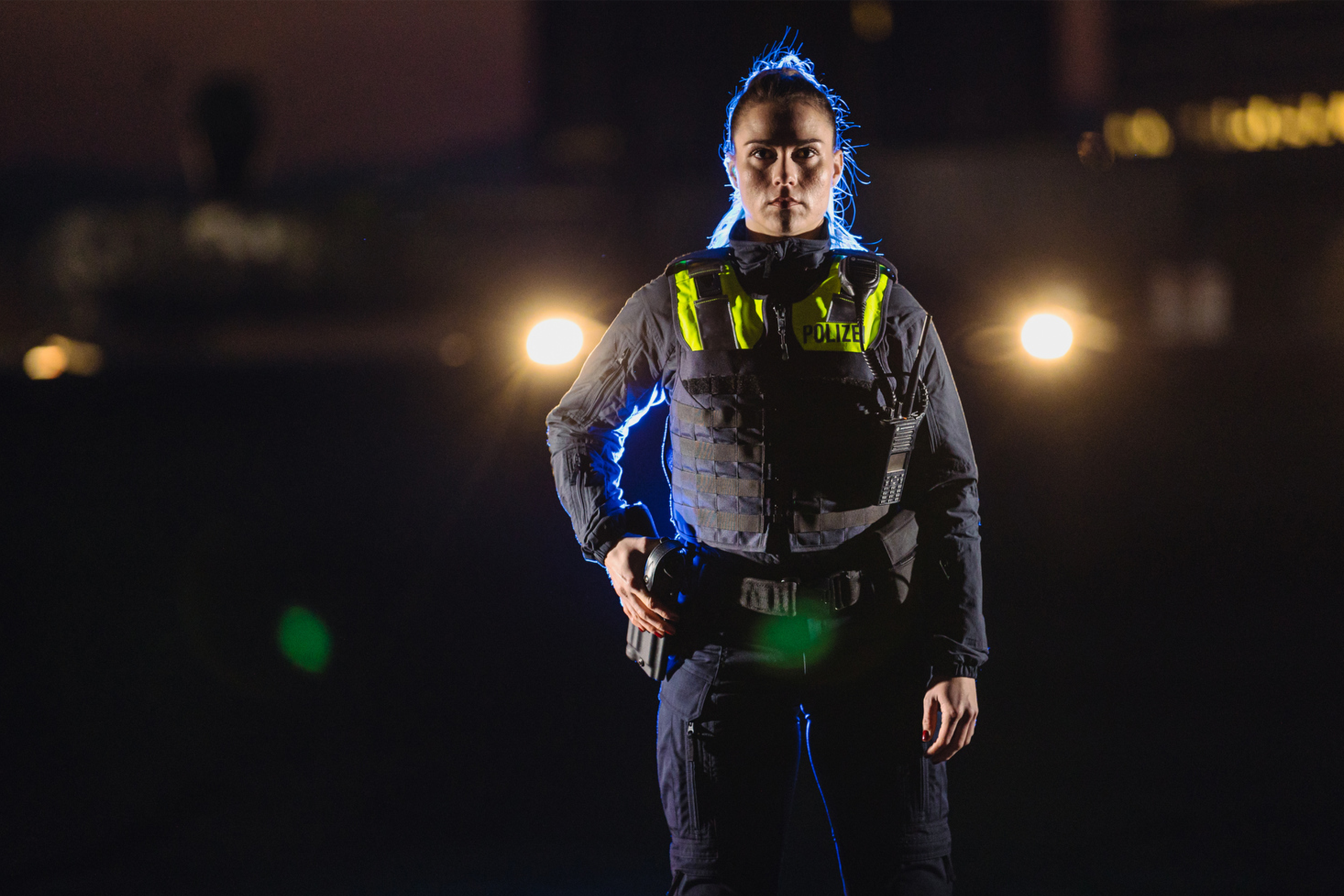
A wearer is more likely to remove a protective vest if it pinches, chafes or restricts breathing; even if they don’t, the vest will often be left open, deliberately kept loose or worn over layers it was not designed to accommodate. For female police officers, this leads to:
- A higher likelihood of becoming distracted while on duty
- Reduced mobility during critical movements
- Greater inclination to remove the vest
Ergonomically shaped systems not only enhance comfort but also help ensure the protective elements remain exactly where they are supposed to – throughout the shift.
Soft ballistic inserts for female anatomy
What does ‘ballistically shaped’ mean?
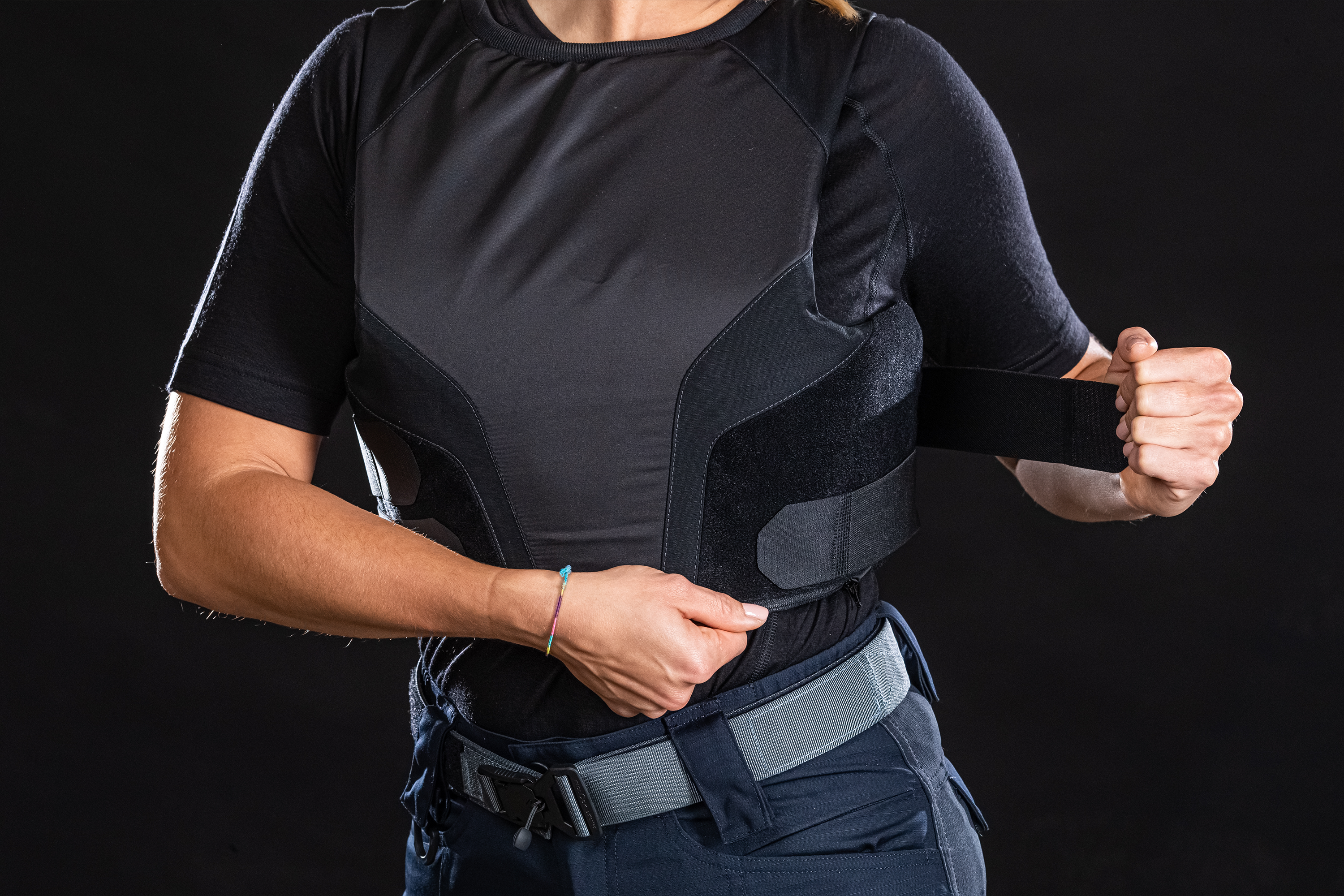
Ballistically shaped soft ballistic inserts are shaped into a three-dimensional form during production. Typically consisting of layers of aramid or UHMWPE, they feature:
- An anatomically accurate chest area with clearly defined zones on the left and right for the breasts
- Subtle waist shaping that follows the body’s natural contours
- Optimised edge geometry around the underarm and shoulder areas to avoid restriction of arm movement
The aim is for the protective insert to follow the body’s anatomy rather than forcing it to conform to a flat profile.
Production technologies
The following production methods are commonly used to produce anatomically shaped soft ballistic inserts:
- Thermoforming/pressing: multilayer fabric assemblies or unidirectional ballistic laminates are shaped in dedicated moulds under carefully controlled temperature, pressure and time settings. The resulting 3D geometry remains permanently stable.
- Segmented layer designs: individual material segments are arranged to allow greater curvature in specific directions – important in transition zones between the chest and torso.
Above all, the ballistic performance must not be compromised, which means no folds or wrinkles, no excessive stretching of the material and no critical seams in strike zones.
Advantages for female police officers in real-life settings
Anatomically shaped soft ballistic inserts offer measurable benefits:
- Enhanced protective coverage: the chest area benefits from greater coverage, while the side and lower edges of the vest sit closer to the body, even when moving.
- Greater comfort: fewer pressure points and more freedom of movement when turning, bending and entering or exiting a vehicle.
- Improved heat management: by optimising the vest’s contact with the body, heat can be dissipated more effectively without compromising protection.
For departments with both male and female officers, the benefits are clear: greater acceptance and more consistent use of protective vests by female team members contribute to higher safety standards across the force.
Hard ballistic plates for female anatomy
The difference between flat and shaped plates
Hard ballistic plates (e.g. ceramic or composite plates designed to protect against long-gun threats) have traditionally been manufactured either flat or with a simple single-curve profile that accommodates the shape of a male torso. Typical issues faced by female police officers include:
- Reduced conformity to the upper torso: the top edge of the plate does not sit flush against the body, reducing stability in the event of impact
- Pressure on the lower chest: can cause discomfort and, in some cases, pain during prolonged wear
- Restricted arm and shoulder movement: may hinder ability to adopt a shooting stance or restrain an individual
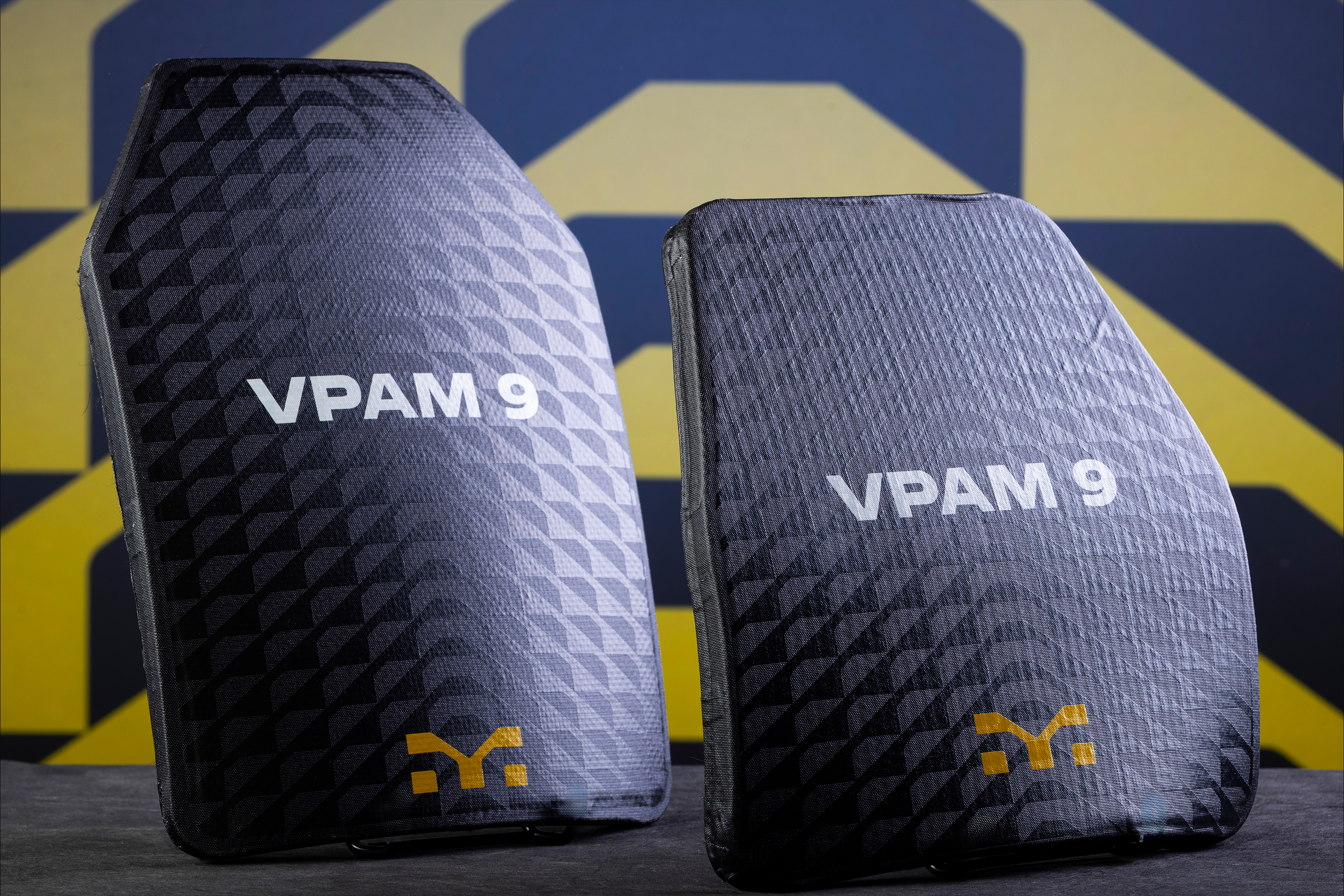
Modern plates shaped to accommodate the female anatomy typically feature:
- A more pronounced multi-curve profile
- A suitable contoured design in the chest area
- Adjusted length-to-width proportions, typically slightly shorter and more closely tailored to the waist.
Technical considerations in plate design
The following requirements must be taken into account when manufacturing anatomically shaped hard ballistic plates:
- Compatibility between curvature and material design: ceramic materials can only be moulded to a limited extent. It is critical to prevent the formation of micro-cracks during the design and production phase, as they may compromise the level of protection provided.
- Distribution of impact force: the plate geometry must not cause a projectile’s energy to be concentrated in a small, critical area. This is why rigorous simulations and physical testing are essential.
- Integration into the plate carrier: a well-designed plate carrier for female police officers should support the plate’s specific shape rather than counteract the benefits it provides. Any straps, shoulder pads or cummerbunds should complement the design, not impede it.
Practical benefits in operational environments
For female officers, this offers many advantages:
- A more stable shooting stance, as the plate follows the contours of the torso and is less likely to move around.
- Greater comfort over extended periods of wear due to reduced pressure and friction.
- Reduced risk of incorrect positioning, such as the vest being worn too high or too low, which can have a significant impact on coverage.
What buyers and female police officers should be aware of
Individual fittings are essential
Selecting a size based solely on standard clothing measurements is not adequate, particularly with systems designed for women. Recommended checks:
- Test the system in standing, seated and kneeling positions: make sure the vest and/or plates do not press against the neck and will not ride up when in a patrol vehicle.
- Simulate movements: raise the arms, adopt a shooting stance and perform control and restraint techniques – the protective system must provide sufficient freedom of movement in every position.
- Breathing and extended wear: wear for at least 15–20 minutes to identify pressure points and any restrictions to natural breathing.
Checklist for anatomically shaped soft and hard ballistic protection
- Do the soft ballistic inserts sit close to the body with no gaps around the chest area?
- Does the upper edge of the vest remain clear of the neck and stay at sternum level even when seated?
- Does the vest’s lower edge provide reliable coverage of the heart and lung area without sliding upwards when seated?
- Are the hard ballistic plates specifically designed for the female anatomy or are they simply smaller unisex plates?
- Do all straps and fasteners remain secure under load without loosening?
Summary
Ballistic protection for female officers should never be an afterthought. Unisex systems with flat, straight ballistic inserts or hard ballistic plates tend not to adequately reflect female anatomy and can lead to coverage and fit issues that may compromise the wearer’s safety in operational situations.
Soft ballistic inserts and hard ballistic plates specifically designed for women offer a clear safety advantage. They accommodate the proportions of the female body, improve protective coverage, increase comfort and reduce the risk of protective vests being removed or worn incorrectly when on duty.
Public safety organisations and law enforcement agencies must revise their traditional one-size-fits-all approach to incorporate solutions that take the specific requirements of female personnel into account from the outset. The result is ballistic protection that performs reliably both in technical trials and in real-world operational use.
Images and graphics
Mehler Protection, Mehler Vario System GmbH (all rights reserved, 2026)